


-Picsart-AiImageEnhancer.png)

10-Mar-2026
In the modern construction industry, precision, speed, and safety are essential for completing projects efficiently. Reinforced concrete structures rely heavily on steel reinforcement bars (re-bars) that must be bent into specific shapes before being used in columns, beams, slabs, and foundations.
A Bar Bending Machine plays a crucial role in shaping these steel bars accurately and quickly. It has become an essential piece of equipment on construction sites because it significantly improves productivity, reduces manual labor, and ensures consistent bending quality.
This blog explains why bar bending machines are important at construction sites, their benefits, working principles, and how they help construction professionals deliver stronger and more reliable structures.
A Bar Bending Machine is a construction equipment used to bend TMT steel bars and reinforcement rods into various angles and shapes required for structural reinforcement.
These machines are commonly used for bending steel bars for: Beams, Columns, Slabs, Stirrups, Footings, Rings and hooks
Bar bending machines can bend steel bars at precise angles such as 45°, 90°, 135°, and 180°, which are commonly required in reinforced concrete structures.


Modern machines are available in different types, including: Manual bar bending machines, Semi-automatic bar bending machines, Fully automatic bar bending machines.
They are widely used in construction sites, fabrication yards, and infrastructure projects.
One of the biggest advantages of using a bar bending machine is high accuracy.
In construction, even a small error in bending steel bars can affect: Structural strength, Load distribution, Reinforcement placement, Bar bending machines ensure that every bar is bent at the exact required angle and length, reducing errors and ensuring the structure meets engineering standards.
This precision is difficult to achieve with manual bending methods.

Construction projects often work under tight deadlines. Manual bending of reinforcement bars can be slow and labor-intensive.
A bar bending machine helps to: Bend multiple bars quickly, Maintain continuous production, Reduce fabrication time.
This allows construction teams to complete reinforcement work much faster, which helps accelerate the entire project timeline.

Traditional rebar bending methods require significant physical effort from workers. This can lead to:
Worker fatigue, Lower productivity, Higher labor costs, Bar bending machines automate most of the bending process, reducing the need for heavy manual work. Workers only need to position the bars and operate the machine.
This results in: Less physical strain, Improved worker efficiency, Better use of manpower on site
Consistency is extremely important in construction reinforcement.
Manual bending often results in uneven angles and inconsistent shapes, which may lead to improper reinforcement placement.
Bar bending machines provide: Uniform bending angles, Consistent shapes, Standardized reinforcement fabrication, This ensures that every reinforcement bar meets the required design specifications.
Construction sites involve many hazardous activities. Manual bending using pipes or hand tools can cause: Back injuries, Muscle strain, Accidental slips, Bar bending machines significantly improve safety because: Workers do not need to apply heavy force, The machine performs the bending operation.
Safety controls reduce the risk of accidents, Using machines helps create a safer and more organized working environment.
Large-scale infrastructure projects such as: High-rise buildings, Bridges, Flyovers, Dams, Metro projects require huge quantities of reinforcement steel.
Manual bending cannot meet the demand of such large projects. Bar bending machines allow contractors to produce a large number of bent bars efficiently, making them essential for modern infrastructure development.
Improper manual bending can damage steel bars or lead to incorrect shapes that cannot be used in construction.
Bar bending machines minimize this problem by: Providing controlled bending force, Preventing bar cracking or damage, Ensuring correct angles in the first attempt, This helps reduce material wastage, which ultimately lowers project costs.
When reinforcement work is completed faster and more accurately, the overall construction workflow becomes smoother.
Benefits include: Faster reinforcement placement, Reduced project delays, Better coordination between teams, As a result, contractors can complete projects more efficiently while maintaining high construction quality.
A bar bending machine operates using a rotating bending plate and bending pins.
The basic process includes: The steel bar is placed between bending pins on the machine table.
The operator sets the required bending angle.
The rotating plate moves the bar around the central pin.
The bar bends to the desired angle due to the controlled mechanical force.
This process allows precise bending with minimal effort and maximum accuracy.
Bar bending machines are widely used in various construction activities, including:
Residential building construction, Commercial building projects, Infrastructure projects, Bridge construction, Road and highway projects, Industrial construction
They are essential for any project involving reinforced concrete structures.
A Bar Bending Machine is one of the most important pieces of equipment used in the construction industry. It plays a crucial role in shaping reinforcement steel bars accurately, quickly, and safely.
By improving precision, speed, safety, and efficiency, bar bending machines help construction companies deliver stronger and more reliable structures while reducing labor costs and project timelines.
With the growing demand for high-quality infrastructure and large construction projects, the use of bar bending machines has become indispensable for modern construction professionals.
Why Bar Bending Machine is Important at Construction Site
10-Mar-2026
Read More


How a High Frequency Needle Vibrator Works: Complete Guide for Construction Professionals
09-Mar-2026
Read More
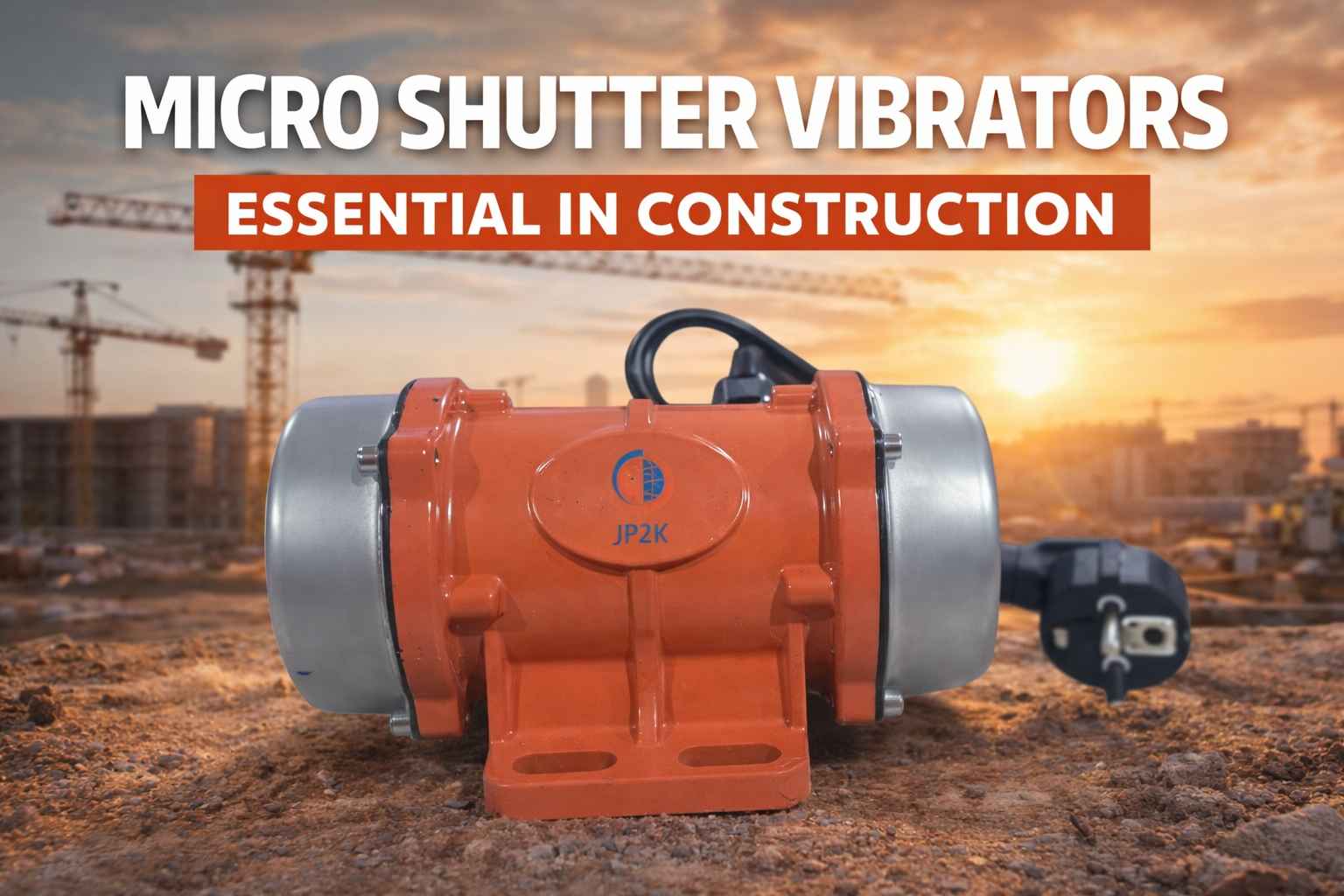
Micro Shutter Vibrator: Working, Benefits & Applications in Construction
05-Mar-2026
Read More
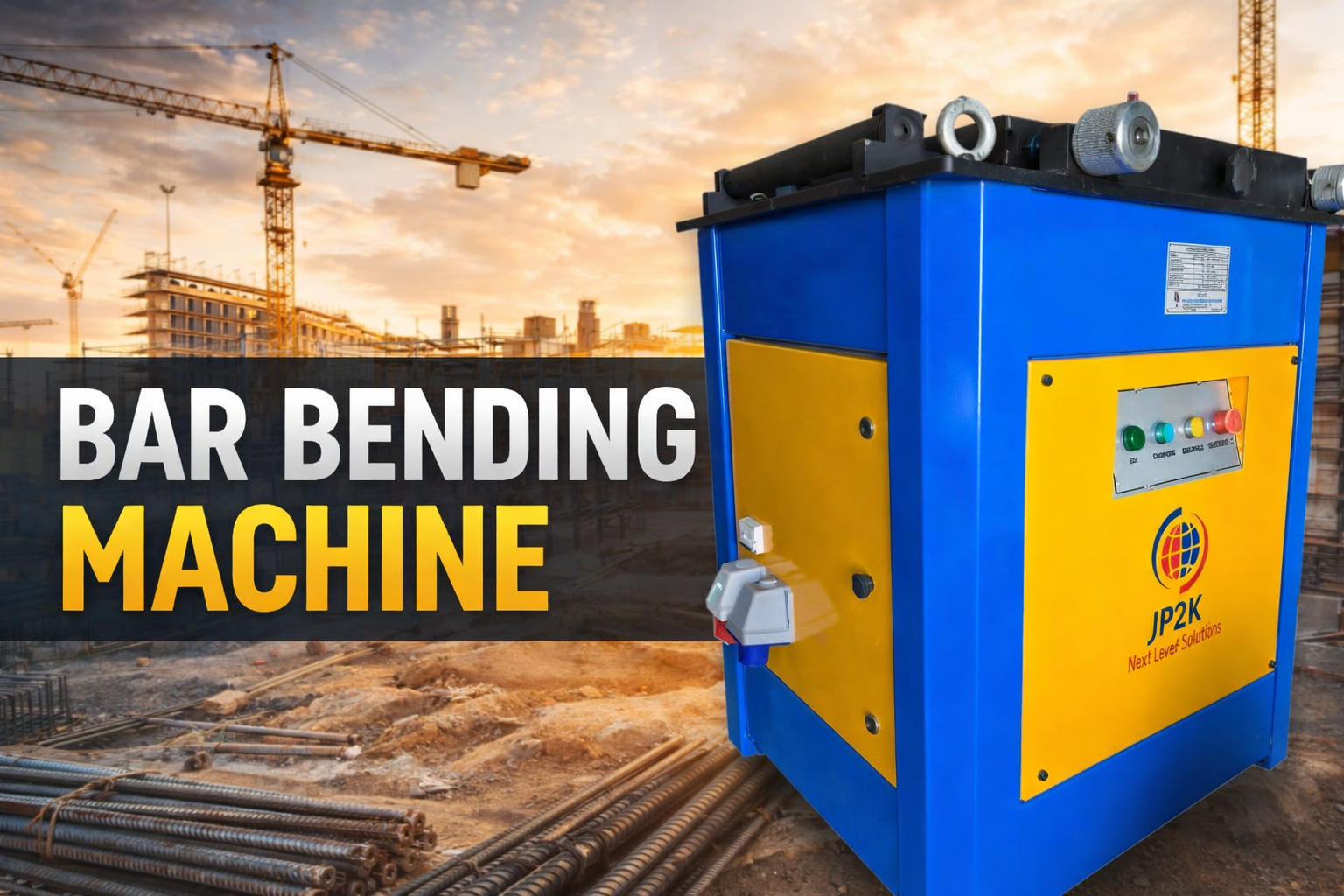
JP2K Indian Make Bar Bending Machine: Features, Benefits & Why It’s Ideal for Construction Projects
27-Feb-2026
Read More






Copyright © 2025 J P Engineering Services
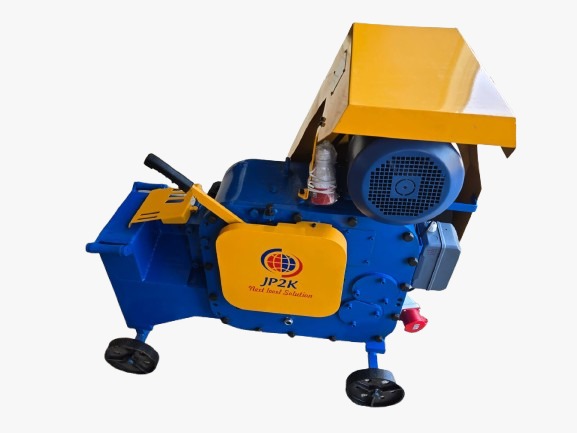
And Get Technical Specifications