



09-Mar-2026
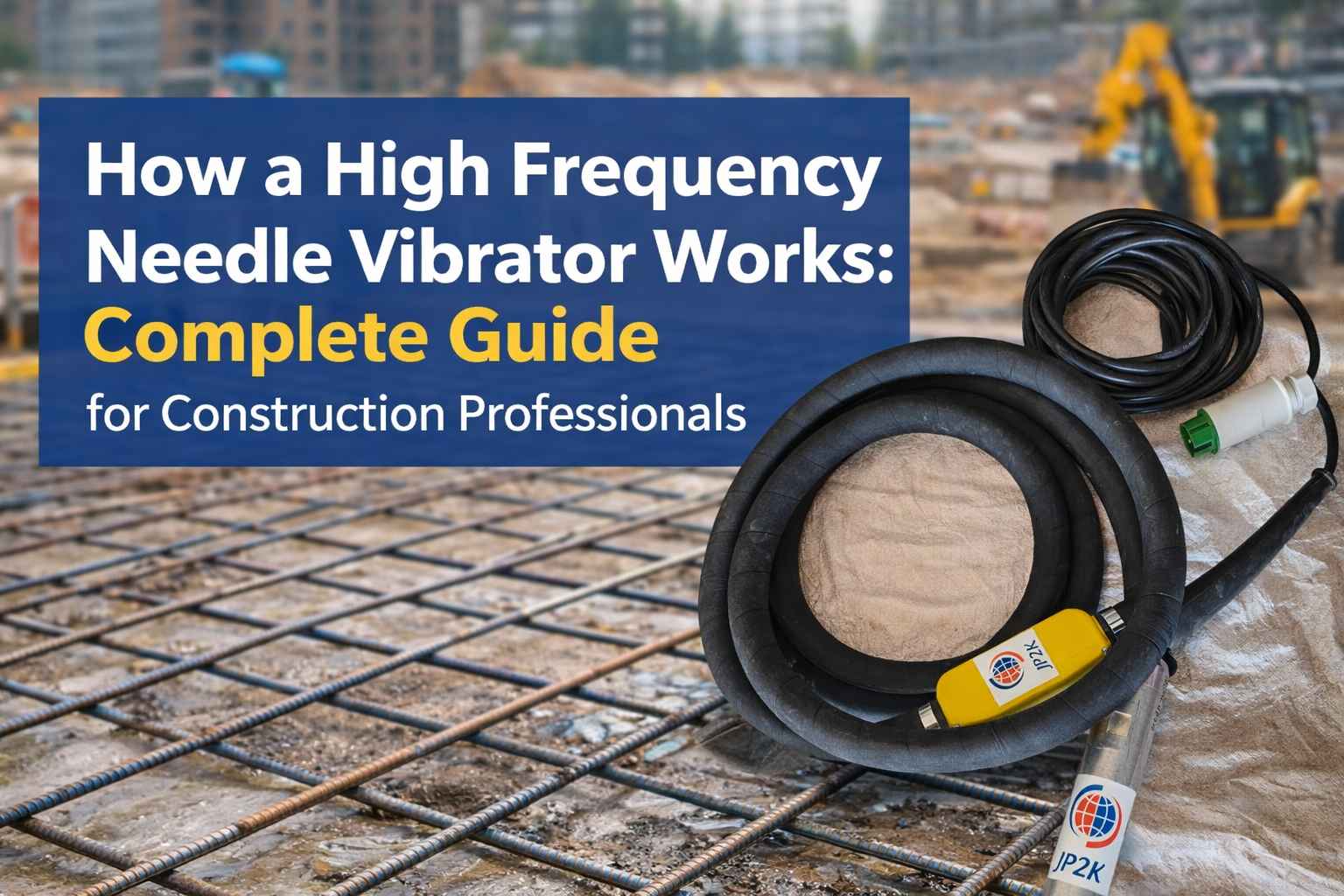
In modern construction, achieving strong, durable, and void-free concrete is essential for the structural integrity of buildings, bridges, and infrastructure projects. One of the most effective tools used to ensure proper concrete compaction is the High Frequency Needle Vibrator.
This powerful piece of equipment plays a critical role in removing air pockets and ensuring that concrete spreads evenly within formwork. In this blog, we will explore how a high frequency needle vibrator works, its components, applications, and benefits in construction projects.
A High Frequency Needle Vibrator, also known as a Concrete Needle Vibrator or Poker Vibrator, is a construction tool used to compact freshly poured concrete by eliminating trapped air bubbles and ensuring uniform distribution.
The vibrator consists of a vibrating steel needle (poker) attached to a flexible shaft and powered by a high-frequency electric motor or converter. The high-speed vibrations generated by the motor cause the concrete particles to rearrange and settle properly.
This process increases the density, strength, and durability of the concrete structure.
When concrete is poured into formwork, it naturally contains air pockets and voids. If these are not removed, they can cause several problems such as:
Reduced concrete strength, Honeycombing in the structure, Poor bonding with reinforcement bars, Surface defects, Lower durability and lifespan, Using a high frequency needle vibrator ensures that the concrete becomes fully compacted and properly consolidated, which leads to stronger and longer-lasting structures.
A high frequency needle vibrator typically consists of the following components:
The needle or poker head is the steel cylindrical part that is inserted into the wet concrete.
It contains an internal vibrating mechanism that generates high-speed oscillations to compact the concrete effectively.
Needles are available in different diameters such as: 25 mm, 38 mm, 50 mm, 60 mm
The size of the needle is selected depending on the type of construction and reinforcement spacing.
The flexible shaft connects the vibrating needle to the power source.
Its function is to transmit the rotational power from the motor to the vibrating head while allowing flexibility so the operator can easily maneuver the tool within the concrete structure.
Flexible shafts are generally 1 to 6 meters long, depending on the job requirement.
The motor is the power unit that drives the vibration system.
High frequency vibrators usually operate at 10,000 to 12,000 vibrations per minute (VPM) or higher. These high-speed vibrations ensure effective compaction of concrete.
The motor may be powered by: Electric power, Portable frequency converters, Specialized high-frequency generators
The working principle of a high frequency needle vibrator is based on vibration-induced compaction.
Here is the step-by-step working process:
Step 1: Concrete is Poured into Formwork
Fresh concrete is poured into the mold or formwork where reinforcement bars are placed. At this stage, the mixture contains air voids and uneven distribution.
The operator inserts the vibrating needle vertically into the concrete at specific intervals.
The needle should penetrate deep enough to reach the previous layer of concrete for proper bonding.
Once the machine is turned on, the motor generates high frequency vibrations that are transmitted to the needle head.
These vibrations cause the concrete particles to:
Rearrange themselves, Release trapped air bubbles, Flow and settle into empty spaces
The vibration reduces friction between concrete particles, allowing air bubbles to escape and rise to the surface.
This process eliminates voids and honeycombing.
As the vibration continues, the concrete becomes denser, stronger, and evenly distributed around reinforcement bars.
Once the surface appears glossy and air bubbles stop rising, the needle is slowly removed.
High frequency needle vibrators are widely used in various construction activities such as:
Used for columns, beams, slabs, and foundations to ensure proper compaction.
Applied in bridges, highways, tunnels, and dams where strong concrete structures are essential.
Used in factories to compact precast elements like pipes, panels, and blocks.
Ensures concrete flows properly around reinforcement bars and steel structures.
Using a high frequency needle vibrator provides several benefits:
Proper compaction increases the compressive strength of concrete.
Eliminates voids and surface defects in concrete structures.
Ensures concrete fully surrounds steel reinforcement bars.
High-frequency vibration allows quick and efficient compaction, saving time on site.
Well-compacted concrete improves the durability and lifespan of buildings and infrastructure.
To achieve the best results, construction professionals should follow these guidelines:, Insert the needle vertically and evenly across the concrete surface, Do not over-vibrate, as it may cause segregation of concrete, Maintain proper spacing between insertion points, Slowly remove the needle to prevent air pockets, Ensure equipment is properly maintained and cleaned
A High Frequency Needle Vibrator is an essential tool in modern construction that ensures proper concrete compaction, improved strength, and longer-lasting structures. By generating powerful vibrations, the machine removes trapped air, eliminates voids, and allows concrete to settle evenly around reinforcement bars.
Whether used in buildings, bridges, foundations, or infrastructure projects, this equipment plays a crucial role in achieving high-quality concrete work.
For contractors and construction professionals, investing in a reliable high frequency needle vibrator can significantly improve efficiency, productivity, and structural quality on job sites.
How a High Frequency Needle Vibrator Works: Complete Guide for Construction Professionals
09-Mar-2026
Read More

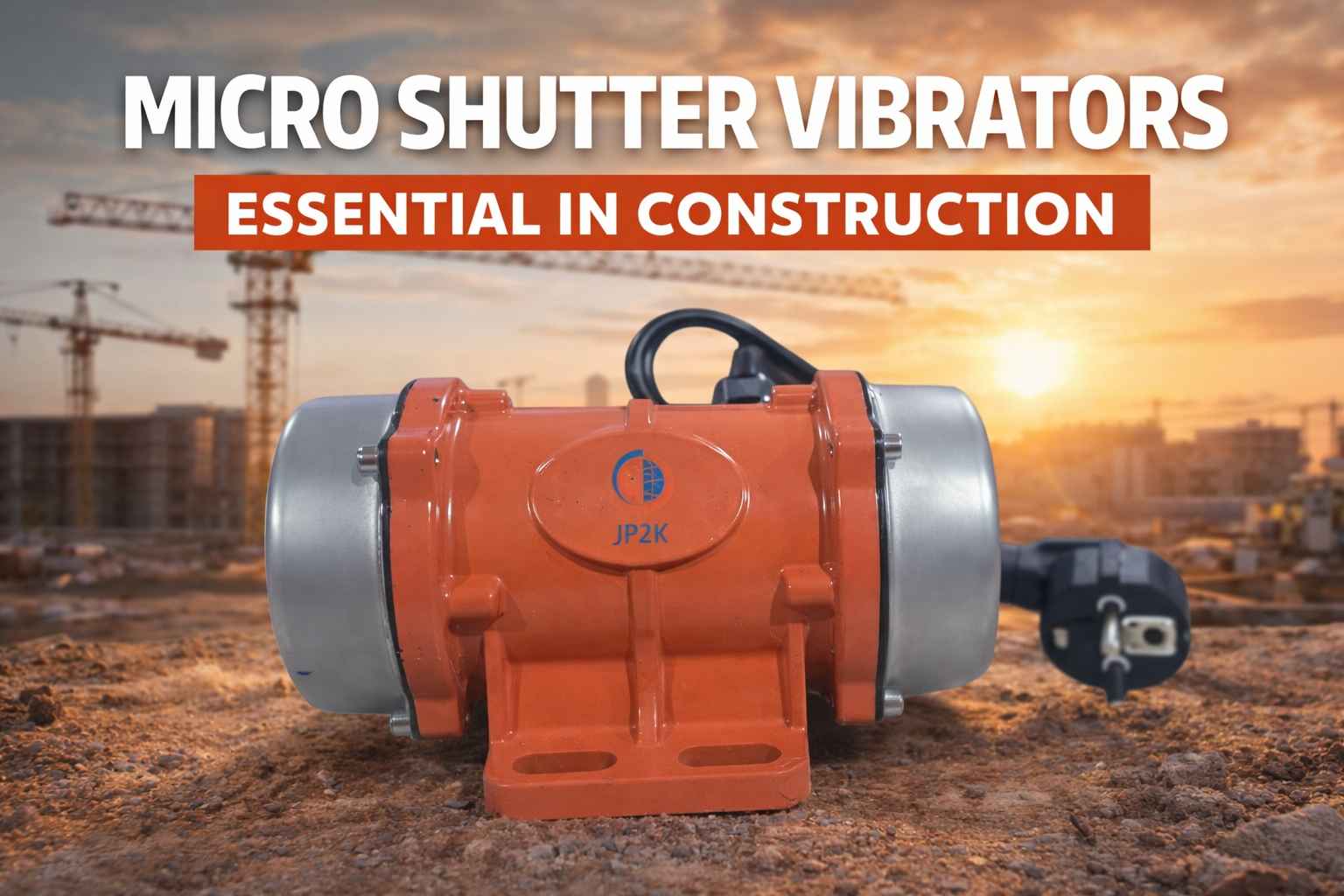
Micro Shutter Vibrator: Working, Benefits & Applications in Construction
05-Mar-2026
Read More
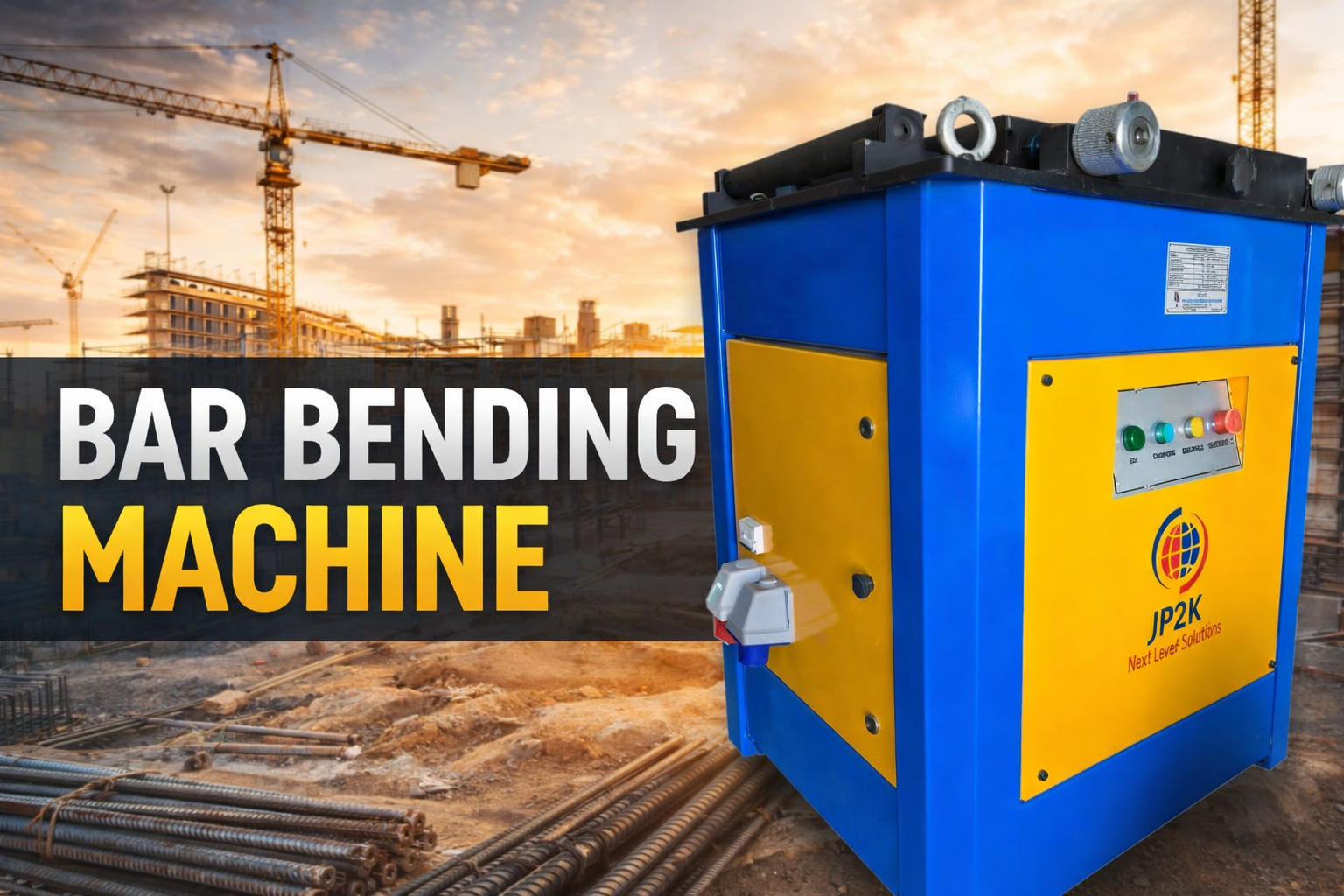
JP2K Indian Make Bar Bending Machine: Features, Benefits & Why It’s Ideal for Construction Projects
27-Feb-2026
Read More
.png)
What is Ride on roller, why we use roller, where we use ride on roller
25-Feb-2026
Read More






Copyright © 2025 J P Engineering Services
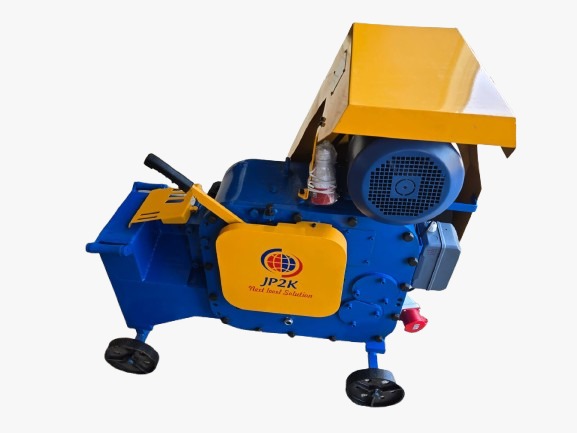
And Get Technical Specifications