



29-Jun-2026
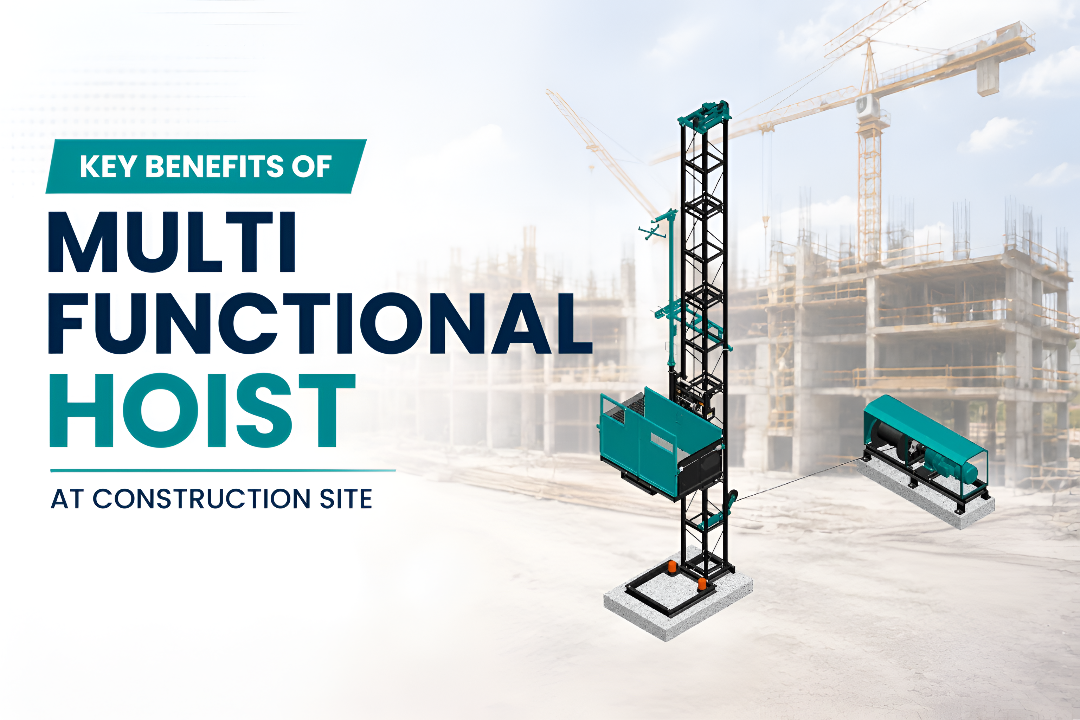
Construction sites run on tight schedules, tight budgets, and tight margins for error. Every piece of equipment on site needs to earn its place — and few pieces of equipment earn it as thoroughly as a multi-functional hoist.
Unlike single-purpose lifting equipment, a multi-functional hoist is built to handle several jobs — moving materials, lifting personnel, and supporting different load types — using one machine instead of several. For project managers and site supervisors trying to do more with less, that versatility translates directly into time saved, money saved, and risk reduced.
Here's a closer look at why multi-functional hoists have become a staple on modern construction sites.
The most obvious benefit is right in the name. A multi-functional hoist can typically handle:
Instead of renting or purchasing separate machines for each task, a single hoist covers the full range of vertical transport needs on a mid-to-high-rise build. That consolidation simplifies planning, scheduling, and on-site logistics considerably.
Fewer machines on site means lower costs across the board:
Over the life of a project, these savings can add up to a meaningful percentage of total equipment spend.
Time is money on a construction site, and multi-functional hoists are built to keep things moving. Because the same unit can switch between hauling materials and transporting crew, there's far less downtime waiting for the "right" machine to become available. Workers can move up with their tools in one trip rather than waiting on separate equipment, and material deliveries to upper floors don't get bottlenecked behind personnel transport schedules.
This streamlined flow is especially valuable on high-rise projects, where vertical transport is often the single biggest constraint on how fast a building can go up.
Safety is non-negotiable on any job site, and multi-functional hoists are generally engineered with robust safety systems as standard, including:
Because these hoists are purpose-built for both cargo and passenger use, manufacturers typically design them to meet the stricter safety standards required for lifting people — which means materials get moved with that same higher level of protection too.
Construction sites, particularly in dense urban environments, often have limited room to work with. A multi-functional hoist reduces the need for multiple lifting towers, scaffolding-mounted lifts, or separate material and passenger systems. This frees up ground-level space for material staging, vehicle access, and other essential site activities — a real advantage on cramped urban lots or sites with tight perimeters.
Construction projects evolve. Early phases might demand heavy material movement for structural work, while later phases shift toward finishing trades and a higher volume of personnel transport. A multi-functional hoist adapts to these shifting demands without requiring a different machine for each phase, making it a smart long-term investment rather than a single-use tool.
With one hoist system to schedule instead of several, site managers gain a simpler, more predictable logistics picture. Coordinating crew movement, material deliveries, and shift schedules becomes far easier when it all runs through a single, well-understood system — reducing scheduling conflicts and miscommunication between trades.
When you factor in reduced equipment costs, lower maintenance and crew requirements, faster project timelines, and fewer safety incidents, multi-functional hoists consistently deliver a stronger return on investment than maintaining separate single-purpose machines. For contractors managing multiple projects, this versatility also means the same hoist can be redeployed across different job sites with varying needs.
Multi-functional hoists aren't just a convenience — they're a strategic asset for any construction operation looking to build smarter, safer, and more efficiently. By consolidating material handling and personnel transport into a single, adaptable system, construction teams can cut costs, free up site space, reduce safety risks, and keep projects moving on schedule.
Whether you're managing a mid-rise residential build or a major commercial high-rise, investing in a quality multi-functional hoist is one of the most effective ways to streamline operations and protect your bottom line.
Key Benefits of Using a Multi-Functional Hoist at Your Construction Site
29-Jun-2026
Read More

 (1).png)
Anti-Smog Gun (Model JP2KSG): India's Powerful Answer to Urban Air Pollution
27-Jun-2026
Read More
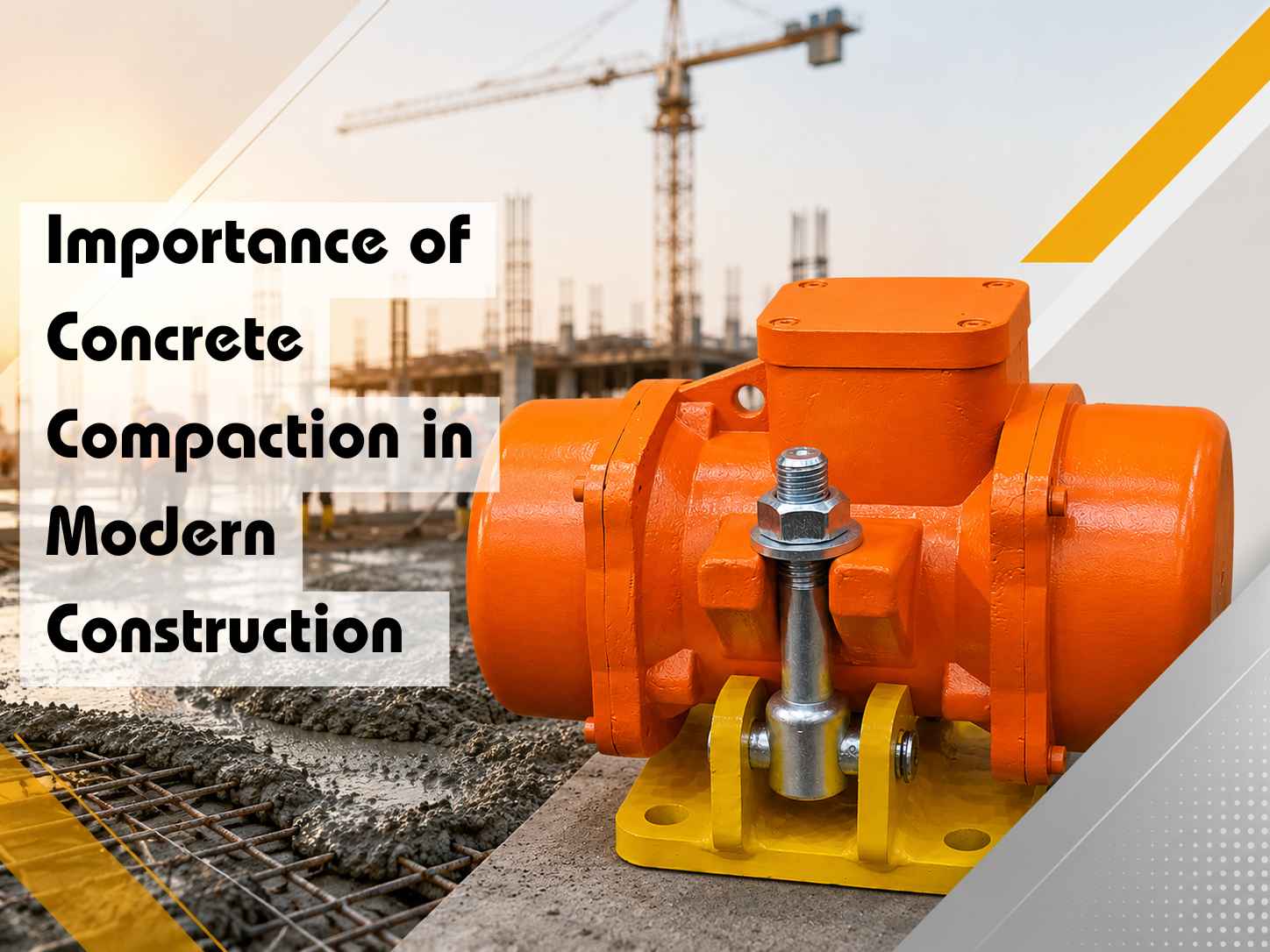
Importance of Concrete Compaction in Modern Construction
23-Jun-2026
Read More
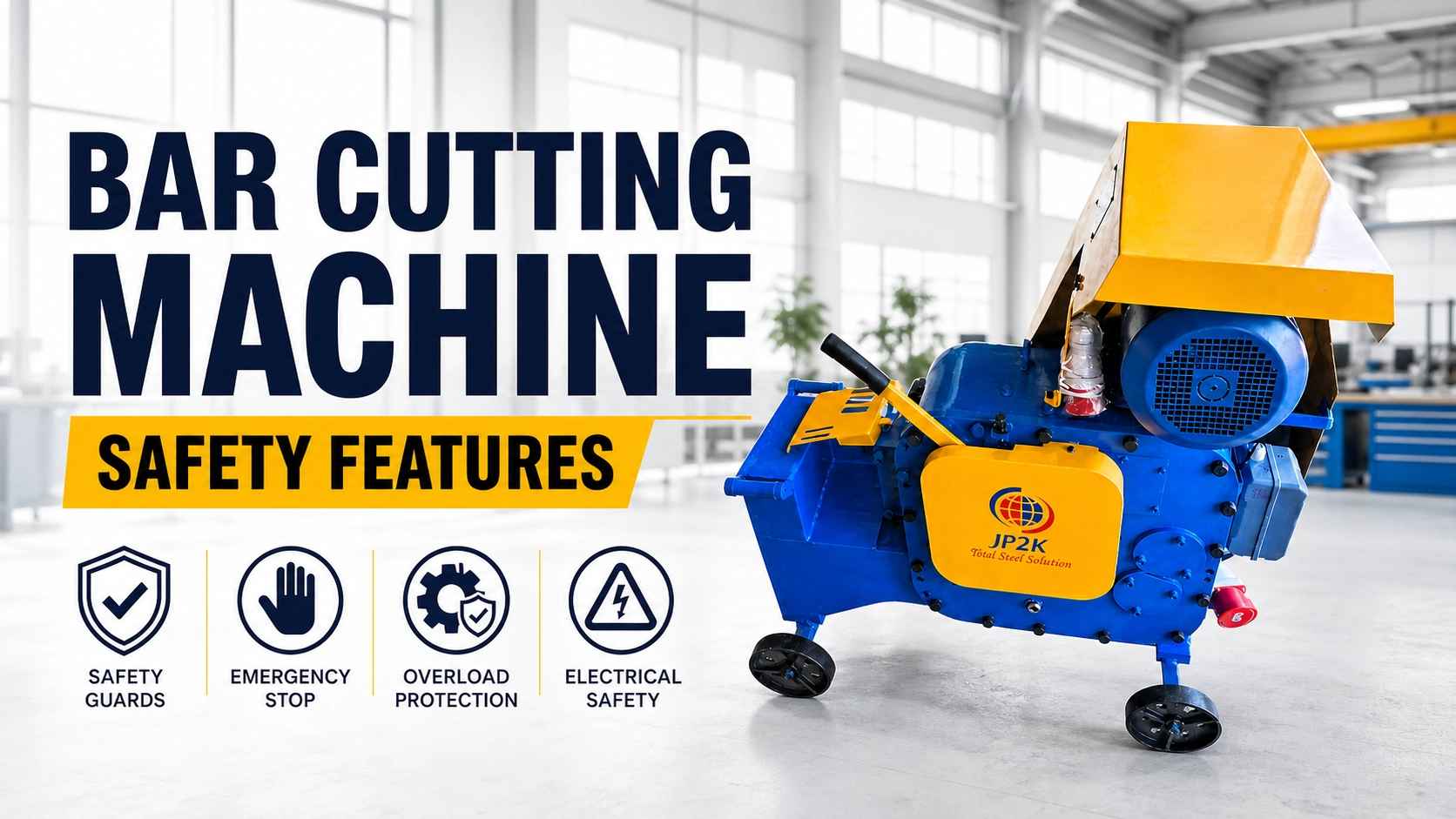
The Unseen Guardians: A Deep Dive into Bar Cutting Machine Safety Features
29-May-2026
Read More







Copyright © 2025 J P Engineering Services
And Get Technical Specifications