



30-Mar-2026
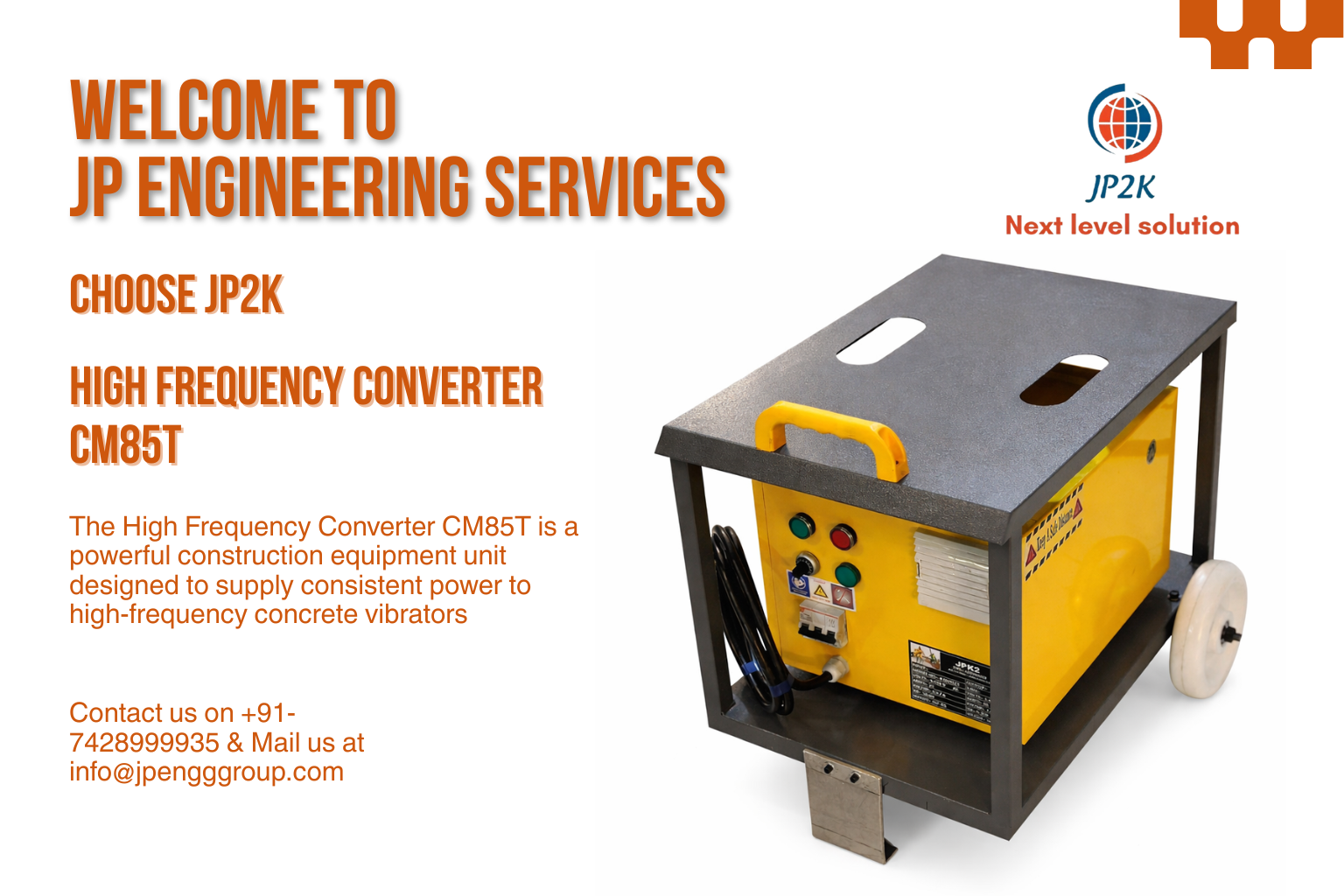
In modern construction, speed, precision, and efficiency are everything. One essential piece of equipment that supports these goals is the high frequency converter. Widely used on construction sites, especially with vibration equipment, these converters play a crucial role in ensuring proper concrete compaction and structural strength.
A high frequency converter is an electrical device that converts standard power supply (50 Hz) into high frequency power (typically 200 Hz). This high-frequency output is used to run equipment like:
Concrete vibrators, Needle vibrators, Screeds, Vibrating motors
This ensures smoother operation, better performance, and higher efficiency on-site.
The working principle is simple:
STEP-1: The converter takes input power from the main electricity supply.
STEP-2: It transforms the frequency from 50 Hz to a higher frequency (200 Hz).
STEP-3: This high-frequency output powers vibration equipment.
STEP-4: The result is faster vibration speed and better concrete compaction.
For more information you can check out this video. Click on the link below.
Stable Performance – Ensures consistent vibration without fluctuations
Compact Design – Easy to transport and install on-site
Energy Efficient – Reduces power consumption compared to traditional systems
Durable Build – Designed for rough construction environments
Low Maintenance – Requires minimal servicing
High frequency converters are widely used in:
Concrete Compaction: They power needle vibrators that remove air bubbles from concrete, ensuring strength and durability.
Precast Industry: Used in precast factories for uniform and high-quality concrete finishing.
Road and Infrastructure Projects: Helpful in achieving proper compaction in large-scale construction.
High-Rise Buildings: Ensures strong foundation and structural integrity.
High-frequency vibration ensures proper compaction and reduces voids.
Faster operation means more work done in less time.
Smooth power output reduces wear and tear on machines.
Easy to move across different work areas.
When selecting a high frequency converter, keep these factors in mind:
Power Capacity (kVA), Number of Output Points, Voltage Compatibility, Build Quality & Safety Features, Brand Reliability & After-Sales Support
Keep the unit clean and dust-free, Check cable connections regularly, Avoid overloading, Store in a dry environment, Schedule periodic inspections
High frequency converters are an essential part of modern construction equipment. They not only improve the quality of concrete but also enhance efficiency and productivity on-site. Investing in a reliable converter ensures long-term performance and better project outcomes.
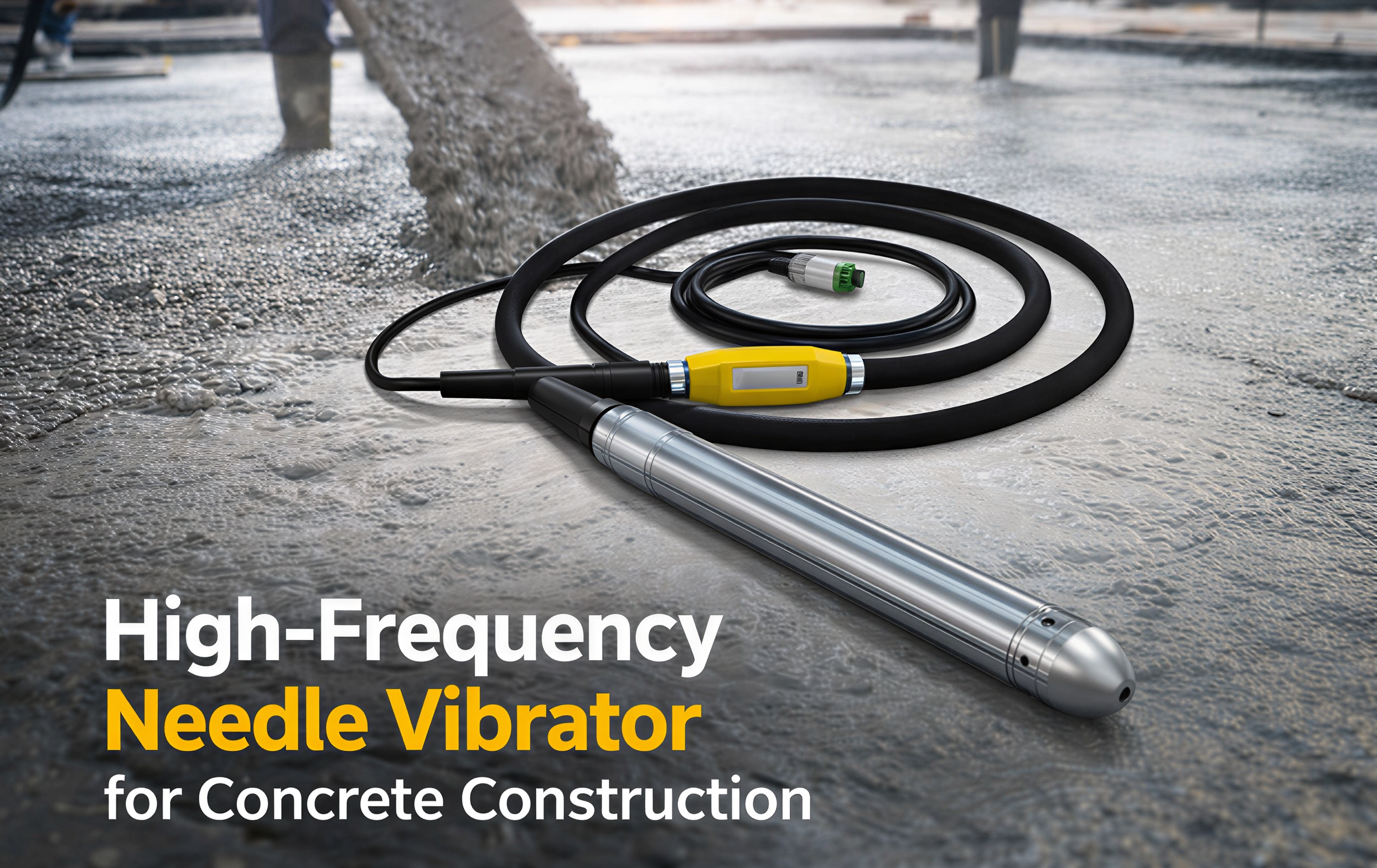
High Frequency Needle Vibrator
23-Apr-2026
Read More

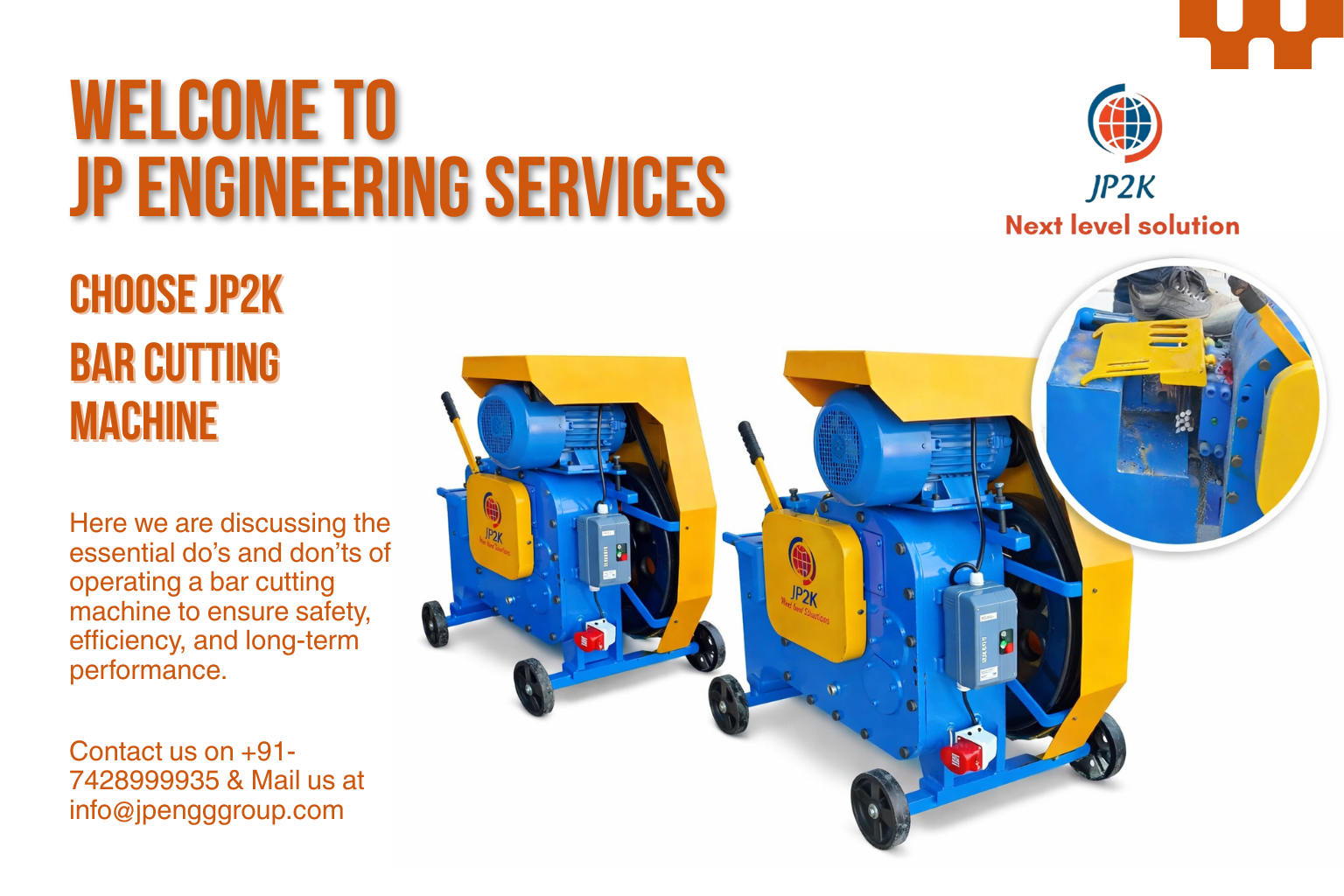
Do’s and Don’ts of Bar Cutting Machine
07-Apr-2026
Read More
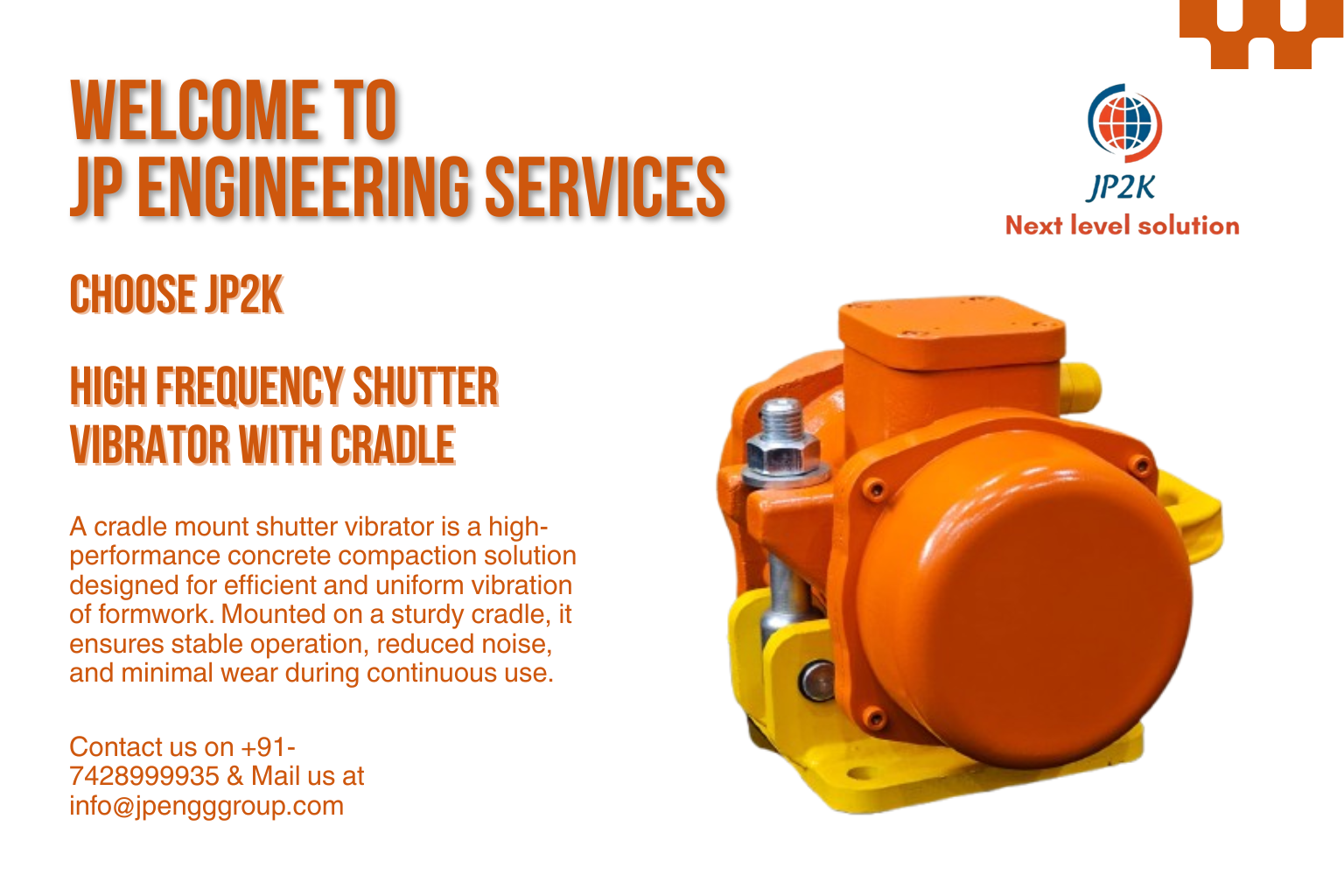
High Frequency Shutter Vibrator (Cradle Type): A Complete Guide for Efficient Concrete Compaction
31-Mar-2026
Read More
High Frequency Converters: A Complete Guide for Construction Efficiency
30-Mar-2026
Read More







Copyright © 2025 J P Engineering Services
And Get Technical Specifications