


29-May-2026
The Unseen Guardians: A Deep Dive into Bar Cutting Machine Safety Features
Bar cutting machines are indispensable tools in the construction and manufacturing industries, playing a pivotal role in shaping reinforcing steel bars for various structural applications. From towering skyscrapers to intricate infrastructure projects, these machines deliver the precision and efficiency required for modern construction. However, beneath their robust exterior and powerful cutting capabilities lies a critical aspect that demands unwavering attention: safety [1]. The inherent risks associated with operating heavy machinery, particularly those involving sharp blades and high forces, necessitate a comprehensive understanding and implementation of advanced safety features. This blog post will delve into the multifaceted world of bar cutting machine safety, exploring the core mechanisms, advanced technologies, operational best practices, and regulatory frameworks that collectively safeguard operators and ensure a secure working environment. We will also touch upon the human element, risk mitigation strategies, and the future trends shaping machine safety.
Understanding Bar Cutting Machines and Their Inherent Hazards
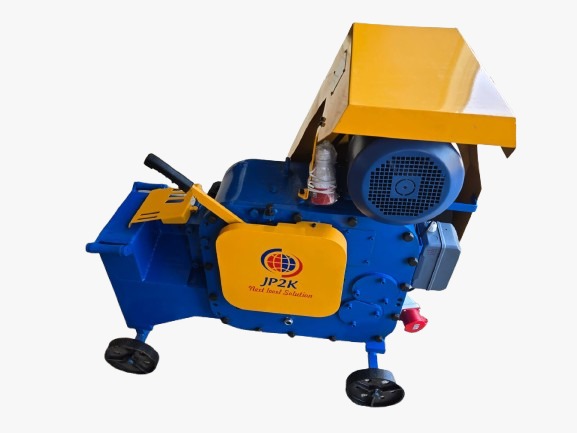
Bar cutting machines are designed to cut steel rods, round bars, deformed bars, and rebar coils with remarkable speed and accuracy. Their working principle typically involves a motor-driven system that powers a rotating blade or a hydraulic mechanism to apply shear force, cleanly severing the steel bars [4]. While highly efficient, this process introduces several potential hazards, including:
• Mechanical Hazards: Contact with moving parts, cutting blades, or pinch points.
• Impact Hazards: Flying debris, such as cut bar pieces or blade fragments.
• Electrical Hazards: Exposed wiring, improper grounding, or faulty connections.
• Ergonomic Hazards: Repetitive motions, awkward postures, or excessive force leading to musculoskeletal injuries.
• Noise Hazards: High noise levels during operation, potentially causing hearing damage.
Recognizing these risks is the first step toward implementing effective safety measures. Modern bar cutting machines are engineered with a suite of safety features designed to mitigate these dangers, transforming potentially hazardous operations into controlled and safe processes.
Core Safety Mechanisms: The First Line of Defense
The foundation of bar cutting machine safety lies in several core mechanisms that are integral to their design and operation. These features act as the primary safeguards, preventing direct contact with hazards and ensuring machine stability.
Safety Guards and Covers
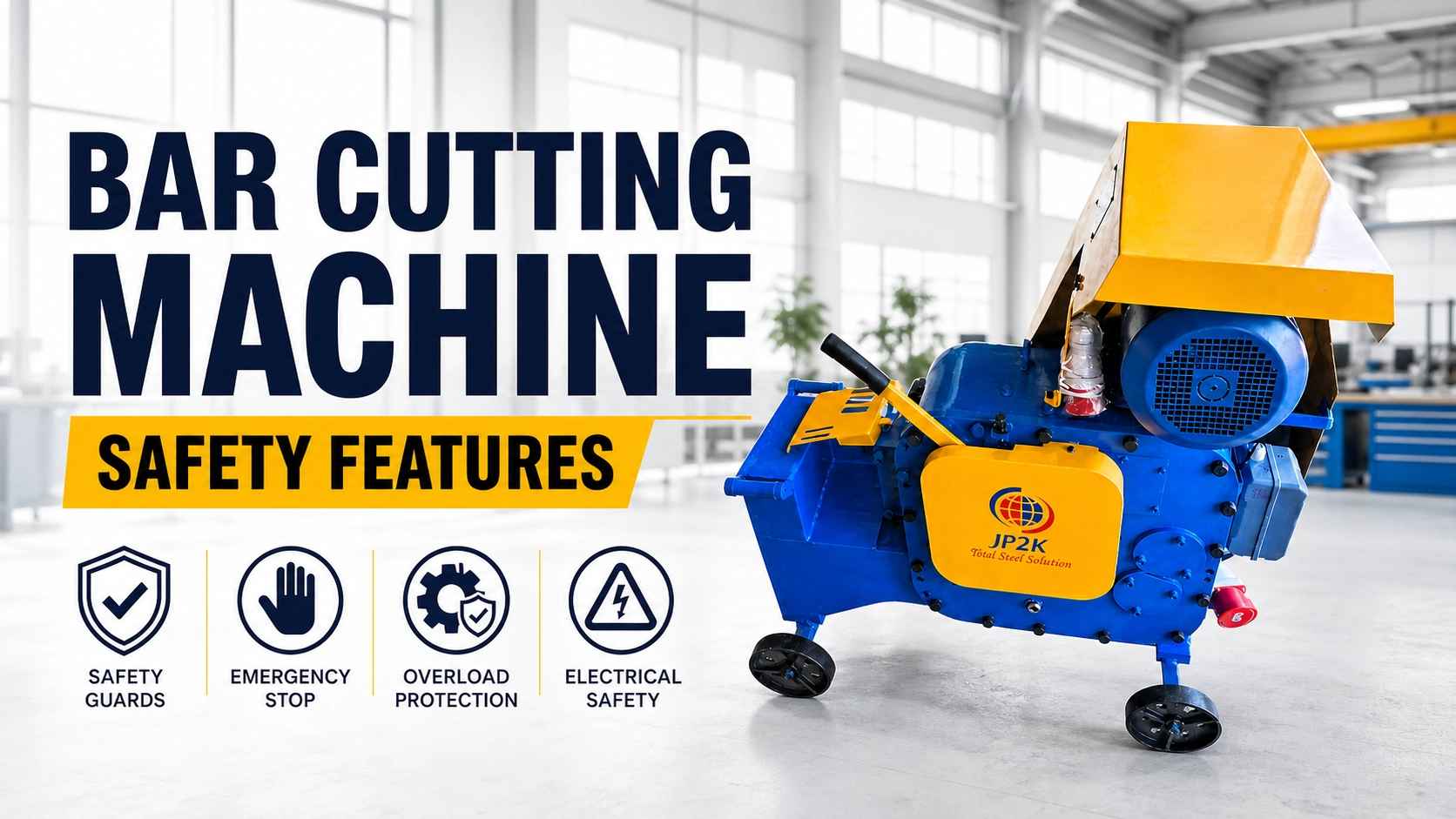
Perhaps the most fundamental safety feature, safety guards and covers are physical barriers designed to prevent operators from accessing dangerous moving parts, particularly the cutting blade and associated mechanisms [1]. These guards are typically made from robust materials capable of withstanding impacts and are strategically placed to enclose the hazardous areas. For maximum effectiveness, these guards must be securely fastened and properly installed. Any compromise to their integrity or positioning can lead to severe accidents.
Emergency Stop (E-Stop) Buttons
Emergency Stop (E-Stop) buttons are universally recognized safety devices, designed to immediately halt machine operation in critical situations. These buttons are typically large, red, and prominently located for easy access by the operator or anyone in the vicinity [1]. Upon activation, an E-Stop button instantly cuts power to the machine's motor, bringing all moving parts to a rapid stop. Regular testing of E-Stop functionality is crucial to ensure their reliability in an emergency.
Interlocked Safety Guarding
Taking safety guards a step further, interlocked safety guarding ensures that the machine cannot operate unless the guard is in its correct, closed, and secured position [1]. This is achieved through safety interlock switches that detect the status of the guard. If the guard is opened or improperly closed while the machine is running, the interlock system will immediately shut down the machine, preventing access to the hazardous cutting zone. This feature is vital in preventing operators from bypassing safety measures for perceived efficiency gains.
Anti-Repetitiveness System
An often-overlooked yet critical safety feature is the anti-repetitiveness system. This mechanism is designed to prevent unintended or accidental multiple cuts or continuous cycling of the machine [3]. In essence, it ensures that the machine only performs a cutting action when explicitly triggered by the operator for each individual cut. This prevents situations where a stuck button or a system malfunction could lead to uncontrolled, repetitive cutting, significantly reducing the risk of injury.
Overload Protection
Overload protection systems are designed to safeguard the machine's motor and mechanical components from damage that can occur when attempting to cut material beyond the machine's specified capacity [3]. When the system detects excessive load or resistance, it automatically shuts down the machine. While primarily a machine protection feature, it indirectly enhances operator safety by preventing machine breakdowns that could lead to unpredictable movements or flying debris.
Clamping System
Effective clamping systemsare essential for securing the rebar firmly in place during the cutting process [4]. A robust clamping mechanism prevents the rebar from slipping, rotating, or experiencing
"kickback"—a sudden, forceful movement of the material that can cause severe injury to the operator. By ensuring the material is stable, the clamping system contributes significantly to a safe and controlled cutting operation.
Advanced Safeguarding Technologies: The Next Level of Protection
As technology advances, so do the safety features integrated into industrial machinery. Modern bar cutting machines increasingly incorporate sophisticated safeguarding technologies that offer enhanced protection and operational flexibility.
Safety Light Curtains
Safety light curtains represent a significant leap in machine safeguarding. These devices use arrays of infrared light beams to create an invisible, virtual barrier across the access point to the hazardous zone [5]. If an object—such as an operator's hand or arm—breaks any of the light beams, the system instantly sends a signal to stop the machine. Light curtains offer a high level of protection without the physical constraints of traditional guards, allowing for easier material loading and unloading while maintaining safety.
Safety Laser Scanners
For applications requiring more flexible or expansive safeguarding, safety laser scanners are an excellent option. These devices use a rotating laser beam to monitor a wide area, often up to 270 degrees [5]. They can be programmed with specific "warning zones" and "protection zones." If a person enters the warning zone, the machine might slow down or trigger an alarm. If they enter the protection zone, the machine stops immediately. Laser scanners are particularly useful in complex environments where traditional guarding is impractical.
Cross-Monitoring and Redundancy
In critical safety applications, relying on a single component can be risky. Advanced control architectures, such as Category 3 or Category 4 systems, employ cross-monitoring and redundancy [2]. This means that critical safety functions are controlled by dual channels. If one channel fails or detects an anomaly, the other channel ensures the machine is brought to a safe state. This redundancy significantly increases the reliability of the safety system, ensuring protection even in the event of a component failure.
Operational Safety and Best Practices: The Human Element
While advanced safety features are crucial, they must be complemented by rigorous operational safety protocols and best practices. The human element remains a critical factor in preventing accidents.
Personal Protective Equipment (PPE)
The use of appropriate Personal Protective Equipment (PPE) is non-negotiable when operating bar cutting machines. Operators must be equipped with:
• Safety Goggles: To protect eyes from flying debris and sparks.
• Thick, Cut-Resistant Gloves: To protect hands from sharp edges and the cutting blade.
• Ear Protection: To mitigate the risk of hearing damage from high noise levels.
• Safety Footwear: Steel-toed boots to protect feet from heavy falling objects.
Safe Material Handling
Proper material handling techniques are essential for safety. Operators must adhere to guidelines regarding the minimum length of material that can be safely cut by hand. For instance, it is generally recommended that operators should not hold material shorter than 40cm by hand [3]. For shorter pieces, appropriate casings or holders must be used to prevent the operator's hands from coming too close to the blade. Furthermore, a safe distance—typically at least 15cm—must be maintained between the operator's hands and the blade at all times [3].
Machine Stability and Environment
The physical environment in which the machine operates plays a significant role in safety. The machine must be installed on a level, stable platform with a firm foundation to prevent tipping or shifting during operation [1]. Adequate grounding is essential to prevent electrical hazards. Furthermore, the workspace must be well-lit, with a minimum recommended height of 5 meters for lamps, ensuring that bulbs are protected and located outside dangerous areas [3]. A clean and organized workspace, free from clutter and debris, also reduces the risk of slips, trips, and falls.
Standards and Regulations: The Framework for Safety
The design, implementation, and operation of bar cutting machines are governed by a complex framework of international standards and regulations. These guidelines ensure a baseline level of safety and provide a structured approach to risk management.
OSHA Regulations (United States)
In the United States, the Occupational Safety and Health Administration (OSHA) sets the standard for workplace safety. Key regulations relevant to bar cutting machines include:
• 29 CFR 1910.212: This standard outlines the general requirements for all machines, focusing heavily on machine guarding to protect operators from hazards created by point of operation, ingoing nip points, rotating parts, flying chips, and sparks [2].
• 29 CFR 1910.147: This standard covers the control of hazardous energy, commonly known as Lockout/Tagout (LOTO). It mandates procedures for disabling machinery or equipment to prevent the release of hazardous energy while employees perform servicing and maintenance activities [2].
International Standards (ISO and IEC)
On a global scale, standards developed by the International Organization for Standardization (ISO) and the International Electrotechnical Commission (IEC) provide comprehensive guidelines for machine safety:
• ISO 12100: This fundamental standard provides the basic terminology, methodology, and principles for risk assessment and risk reduction in machinery design.
• ISO 13849 and IEC 62061: These standards address the functional safety of safety-related control systems, providing methodologies for determining the required Performance Level (PL) or Safety Integrity Level (SIL) based on the assessed risk [2].
CE Marking (Europe)
In the European Economic Area, the CE marking is a mandatory conformity mark indicating that a product complies with the essential health, safety, and environmental protection requirements set out in relevant European Directives. For bar cutting machines, this typically involves compliance with the Machinery Directive, ensuring that the equipment meets stringent safety standards before it can be placed on the market.
Risk Mitigation and Analysis: A Proactive Approach
True safety goes beyond simply installing guards and following rules; it requires a proactive approach to identifying and mitigating risks throughout the machine's lifecycle.
Failure Mode and Effects Analysis (FMEA)
Failure Mode and Effects Analysis (FMEA) is a systematic technique used to identify potential failure modes in a system, their causes, and their effects on system performance and safety [2]. By conducting an FMEA during the design or evaluation phase of a bar cutting machine, engineers can identify critical vulnerabilities and implement design changes or safety features to mitigate those risks before they lead to accidents.
Comprehensive LOTO Procedures
Effective Lockout/Tagout (LOTO) procedures are essential for safe maintenance and servicing. These procedures must go beyond simply turning off a switch; they require a comprehensive mapping of all energy sources—electrical, hydraulic, pneumatic, and mechanical—and the implementation of specific steps to isolate and verify the dissipation of that energy [2]. This ensures that the machine cannot be accidentally energized while a worker is performing maintenance.
Ergonomics and Human Factors
Ergonomics plays a crucial role in machine safety by designing the equipment and the workspace to fit the physical capabilities and limitations of the operator. This involves considering factors such as the height of the working surface, the placement of controls, and the physical effort required to operate the machine. By minimizing awkward postures, repetitive motions, and excessive force, ergonomic design reduces operator fatigue and the likelihood of errors that could lead to accidents.
The Future of Bar Cutting Machine Safety
The landscape of machine safety is constantly evolving, driven by technological advancements and a growing emphasis on worker well-being. Several trends are shaping the future of bar cutting machine safety:
• Integration of AI and IoT: The Internet of Things (IoT) and Artificial Intelligence (AI) are increasingly being used to monitor machine health, predict failures, and identify potential safety hazards in real-time. This predictive maintenance approach can prevent accidents caused by unexpected equipment breakdowns.
• Enhanced Automation: Automation reduces the need for direct human interaction with hazardous processes. Automated bar cutting and bending systems are becoming more prevalent, significantly reducing the risk of operator injury.
• Advanced Sensor Technologies: The development of more sophisticated and robust sensors, such as advanced vision systems and radar, will provide even more reliable and flexible safeguarding solutions.
Conclusion
The safety of bar cutting machines is a multifaceted issue that requires a holistic approach. It encompasses the robust design of core mechanical safeguards, the integration of advanced electronic technologies, strict adherence to operational best practices, and compliance with stringent international standards. By understanding the inherent hazards and implementing comprehensive safety strategies, the construction and manufacturing industries can ensure that these powerful machines remain indispensable tools for progress, rather than sources of peril. The unseen guardians—the safety features, protocols, and regulations—work tirelessly to protect the operators who build our world, ensuring that every cut is not only precise but, above all, safe.
Maintenance: The Silent Contributor to Safety
While safety features are designed to protect, their effectiveness is heavily dependent on regular and meticulous maintenance. A machine that is poorly maintained is a safety hazard, regardless of how many advanced sensors it possesses. Maintenance should be viewed as an integral part of the safety ecosystem.
Regular Inspection Protocols
A comprehensive inspection checklist is vital for identifying potential issues before they escalate into safety hazards. Daily, weekly, and monthly inspections should cover:
Component | Inspection Frequency | What to Look For |
Cutting Blades | Daily | Cracks, chips, excessive wear, or dullness. |
Safety Guards | Daily | Proper installation, secure fastening, and lack of damage. |
E-Stop Buttons | Daily | Functional operation and visibility. |
Electrical Cables | Weekly | Fraying, exposed wires, or damaged insulation. |
Lubrication System | Weekly | Proper oil levels and absence of leaks. |
Clamping Mechanism | Monthly | Wear on gripping surfaces and proper hydraulic/mechanical pressure. |
Control Panel | Monthly | Loose connections and functional buttons/switches. |
Lubrication and Its Role in Safety
Proper lubrication is often overlooked as a safety feature, but its impact is significant. A well-lubricated machine operates smoothly, with minimal friction and heat generation. Excessive friction can lead to mechanical binding, which might cause the machine to jerk or stall unexpectedly. Furthermore, overheating can damage electrical components or seals, leading to failures that could compromise safety. Following the manufacturer's lubrication schedule and using the specified lubricants is essential for both machine longevity and operator safety.
Blade Maintenance and Replacement
The cutting blade is the most critical component of a bar cutting machine. A dull or damaged blade requires more force to cut the material, which puts additional strain on the motor and mechanical linkages. This increased stress can lead to sudden mechanical failures. Furthermore, a dull blade is more likely to cause the rebar to "kick back" or produce excessive sparks and debris. Regularly inspecting blades for signs of wear and replacing them promptly is a fundamental safety practice.
Case Studies: Learning from the Past
Analyzing real-world accidents and near-misses provides invaluable lessons for improving machine safety. While specific case studies of bar cutting machine accidents are often kept confidential for legal reasons, general patterns in industrial machinery accidents highlight common pitfalls.
Case Study 1: The Bypassed Interlock
In one industrial setting, an operator bypassed a safety interlock on a machine's guard to speed up material loading. This allowed the machine to run with the guard open. During a routine operation, the operator's sleeve got caught in a moving part, leading to a severe injury. This incident underscores the danger of bypassing safety features and the importance of a strong safety culture where such actions are strictly prohibited and monitored.
Case Study 2: The Faulty E-Stop
In another instance, a machine malfunctioned, and the operator attempted to use the E-Stop button. However, the button failed to actuate because of an accumulation of dust and debris inside the switch mechanism. The machine continued to run, causing significant equipment damage and narrowly avoiding operator injury. This highlights the critical need for regular testing and cleaning of all safety-related components, including E-Stop buttons.
Case Study 3: Improper Material Support
An accident occurred when a long rebar was being cut without adequate support on the far end. As the cut was completed, the heavy, unsupported section of the bar fell unexpectedly, striking a nearby worker. This incident emphasizes the importance of using proper material support systems, such as rollers or stable stands, and ensuring that the workspace is designed to accommodate the full length of the materials being processed.
Training and Safety Culture: Beyond the Machine
Even the most advanced safety features cannot compensate for a lack of training or a poor safety culture. Safety is a shared responsibility that requires active participation from both management and operators.
Comprehensive Operator Training
Operators must receive thorough training on the specific model of bar cutting machine they will be using. This training should cover:
1 Machine Principles: Understanding how the machine works and its capabilities.
2 Safety Features: Locating and understanding the function of all safety guards, E-Stops, and interlocks.
3 Operational Procedures: Learning the correct steps for starting, operating, and stopping the machine.
4 Emergency Protocols: Knowing exactly what to do in case of a malfunction or accident.
5 Maintenance Tasks: Understanding the operator's role in routine inspections and lubrication.
Building a Strong Safety Culture
A strong safety culture is one where safety is prioritized over production speed and where every employee feels empowered to speak up about potential hazards. Management plays a crucial role in fostering this culture by:
• Leading by Example: Adhering to all safety protocols and wearing the required PPE.
• Providing Resources: Ensuring that machines are well-maintained and that all necessary safety equipment is available.
• Encouraging Reporting: Creating a non-punitive system for reporting near-misses and safety concerns.
• Regular Safety Audits: Conducting periodic reviews of safety procedures and machine conditions.
Conclusion: A Commitment to Excellence
The safety features of bar cutting machines are more than just technical specifications; they are a commitment to the well-being of the individuals who operate them. From the physical barriers of safety guards to the sophisticated intelligence of AI-driven predictive maintenance, these features form a comprehensive shield against the inherent risks of industrial rebar processing. However, the ultimate guardian of safety is the collective awareness and commitment of everyone involved—from the engineers who design the machines to the operators who use them every day. By embracing advanced technologies, adhering to rigorous standards, and fostering a culture of safety excellence, we can ensure that the construction of our future is built on a foundation of security and respect for human life.







Copyright © 2025 J P Engineering Services
And Get Technical Specifications